Can light do some of the explaining?
One small experiment from the HoloLens first-run work.
An object appears in front of you. What makes it feel connected to the space around it?
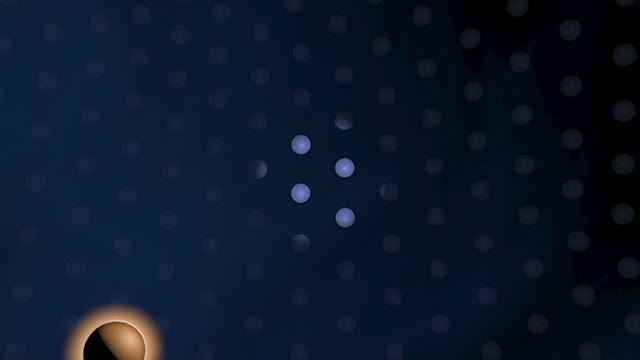
These two prototype recordings explore one cue: light from an amber sphere reaching the surrounding surfaces. The sequence is the same. Watch the edges of the discs as the sphere moves.
Pause on the relationship
The cue adds no label or spoken explanation. It changes how the object and its surroundings relate visually. At the same moment in each recording, the difference is easier to inspect.
What survives from the experiment
The recordings preserve a design question, not its answer. These clips alone don’t tell us how much this helped a first-time wearer.
It is still a useful question for the work I’m doing now: what can an interface make apparent before it asks someone to read or listen to an explanation?
Source & editing notes
The comparison uses the two archived “with a visual cue” and “with no visual cue” exports. The new edit combines them into a single synchronized file; the freeze frames come from the same originals. No visual effects, motion interpolation, or invented user results were added. This is a prototype study, not a claim that these exact scenes shipped. Wording, date, contribution, and publication rights need Will’s final review.