When a pause becomes a mistake
The assistant finishes before you do.
Chase pauses to remember which dried mango his roommates like. The assistant takes the pause as the end of his request. It adds the item too soon—but asks whether it got that right.
Shopping
2What do we need?
Start at the pause, with pears and apples already on the list.
No microphone needed. The dialogue is scripted.
Optional browser voice. No microphone or Reminders connection.
A way back into the conversation
The assistant acts too early, but its uncertainty changes what happens next. “Does that sound right?” gives Chase a chance to correct it before the conversation moves on.
The recovery still has a cost. “Sorry. How can I help?” leaves room for an open-ended correction, but Chase has to repeat the full request. The storyboard repairs the list; it also raises a question about how much of the repair should fall to the person.
Compare with the patient version, slides 42–45.
Original frame & reconstruction notes
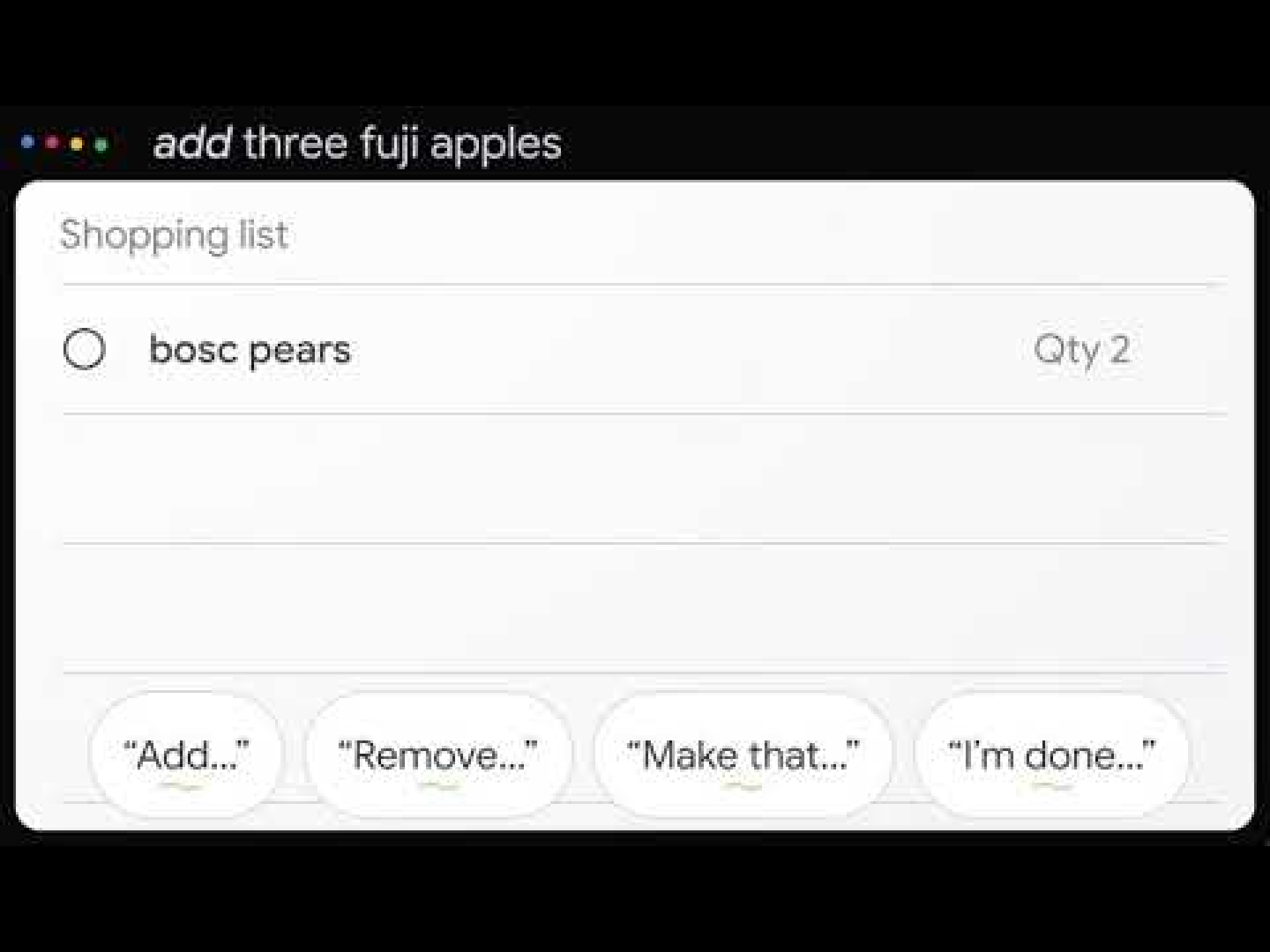
Portfolio_WJ, slides 42–45: the premature response and uncertain turn ending (46), a recovery motion sketch (47), and the correction dialogue (48).
The iPad layout, transitions, timing, and response buttons are new. The scene begins at the point where the two storyboards diverge. “No,” the full mango correction, and “I’m done” follow the source dialogue. Buttons stand in for speech; no microphone or recognition model runs. The same mango row is updated, following the source’s instruction to correct the last item. The “No preference specified” status is a new explanatory label. Original motion and audio were not recovered. This is not an Apple or Google product recording, and no real list is changed.